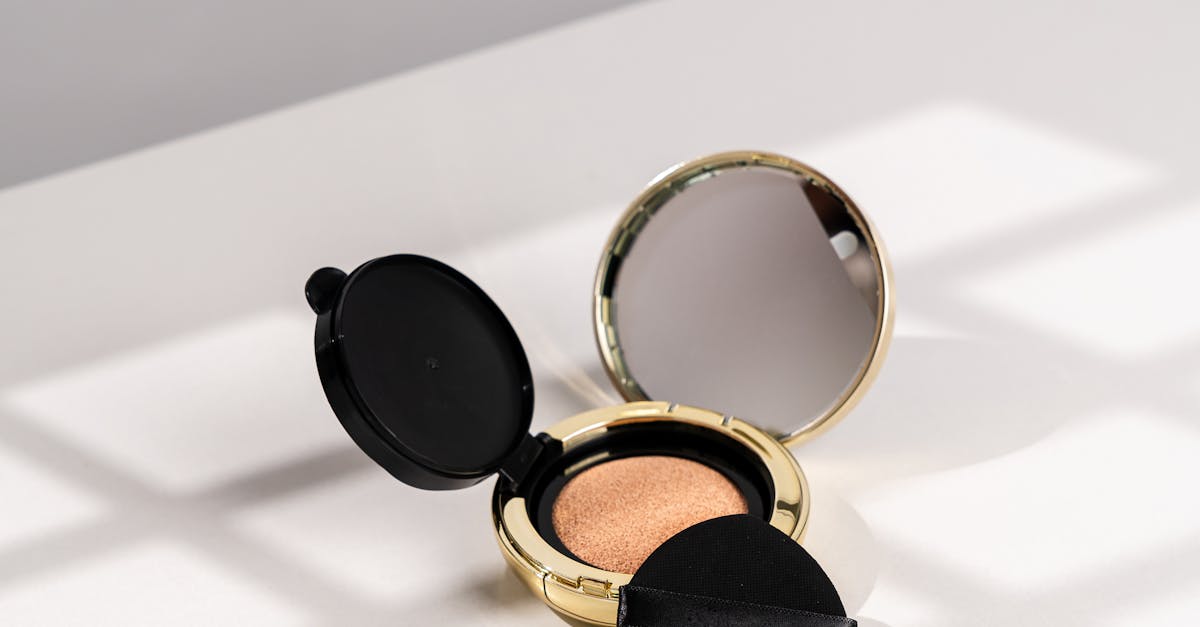
Harnessing Natural Light for Stunning Product Images
Table Of Contents
Avoiding Harsh Shadows
Achieving beautiful product images often hinges on managing shadows effectively. Direct sunlight can cast harsh, unwanted shadows that detract from the product's features. By utilising diffusers, you can soften the light and create an even illumination. Placing sheer curtains or white fabric in front of windows can help scatter sunlight. Alternatively, shooting on overcast days provides a natural diffuser, resulting in soft, flattering light.
Positioning your products wisely is essential for shadow control. Placing items strategically can minimise the impact of shadows on the final image. Consider using a light-reflecting surface beneath the product to bounce light back and fill in any shadows. Additionally, experimenting with different angles can help you find the most flattering perspectives. By taking the time to assess the interplay of light and shadow, you can enhance the overall quality of your product photography.
Techniques for Even Lighting Across Products
Achieving even lighting across products requires careful placement and awareness of the surrounding environment. One effective approach is to use reflectors to bounce light onto shadowed areas of the product. These can be as simple as white cardboard or professional-grade reflectors. Position them strategically to fill in dark spots without introducing unwanted glare. Softening the light source can also contribute to a more uniform appearance. Utilizing sheer fabrics or diffusion materials helps to spread natural light evenly, reducing harsh contrasts.
Experimenting with different angles can further enhance the overall luminosity of your images. Angling the product towards the light source can allow for a softer shadow and more balanced light distribution. It is also beneficial to consider the time of day when shooting. The golden hour, shortly after sunrise and before sunset, offers gentler light that can wrap around products beautifully. By being selective with timing and experimenting with placement, photographers can achieve stunning images with consistent lighting.
Incorporating Backgrounds Effectively
The choice of backdrop significantly influences the overall aesthetic of product images. A simple, uncluttered background allows the products to stand out and draw the viewer's attention. Neutral tones like soft greys or whites work well, providing a clean canvas that can enhance the natural light and create an appealing contrast with the products. Textured surfaces, such as wood or fabric, can add depth, creating a more dynamic visual without overwhelming the main subject.
Selecting backgrounds that harmonise with the product’s colours and materials can elevate the overall composition. For example, earthy products may pair well with natural backgrounds, reflecting the product’s essence. Experimenting with different patterns or colours can lead to unique and engaging results. Experimentation remains key; adjusting the backdrop’s placement in relation to available light can further enhance the interplay of shadow and highlight, ensuring the final image captures the desired atmosphere.
Choosing Backdrops that Complement Natural Light
The choice of backdrop can significantly enhance the natural light in product photography. Neutral colours, such as white, beige, or soft grey, allow the products to stand out without distraction. These hues also reflect light, creating a softer and more flattering illumination around the subject. Patterns can work well if they do not overpower the image. Subtle textures can add depth while maintaining a clean aesthetic.
Consider the context of the product when selecting backdrops. For instance, earthy tones can complement rustic or organic items, enhancing the overall feel of the image. Using reflective surfaces like glass or polished wood can introduce interesting light reflections, adding a dynamic element to the shot. The right backdrop will ensure that the focus remains on the product while utilising natural light to bring out its features effectively.
Shooting Techniques for Maximum Impact
Capturing product images that truly stand out requires an understanding of how to utilise natural light effectively. Positioning the product at different angles can create a dynamic range of highlights and shadows, enhancing the shape and texture. Experimenting with the positioning within the space allows you to take advantage of varying light sources, optimising the visual appeal. The time of day plays a crucial role; shooting during golden hour can impart a warm, inviting glow while mid-morning light offers a gentle, soft quality.
Using a tripod stabilises your camera and allows for longer exposure times when needed, resulting in clearer images. Adjusting your camera settings to a lower ISO will help prevent noise in your photographs, maintaining the clarity that natural light can provide. Incorporating a reflector can bounce light back onto the product, enhancing features without introducing harsh shadows. Each of these techniques contributes to making your product images not just visually appealing, but also compelling enough to capture attention.
Camera Settings Tailored for Natural Lighting
When working with natural light, it’s essential to adjust your camera settings to capture the best possible images. Start by setting your camera to a low ISO value. This helps reduce noise, especially in brightly lit environments. A higher ISO can introduce graininess, which detracts from the quality of your product photos. Additionally, consider using a wider aperture to create a shallow depth of field. This technique allows the product to stand out against a softly blurred background, enhancing visual appeal.
Shutter speed also plays a crucial role when shooting in natural light. Aim for a speed that is fast enough to prevent motion blur but slow enough to let in sufficient light. Using a tripod can help stabilise your camera for longer exposures, enabling you to capture every detail of your product without compromising clarity. Experiment with different settings to find the perfect balance that showcases your product effectively in relation to the ambient light.
FAQS
What is the best time of day to shoot product images using natural light?
The best time to shoot is during the "golden hour," which occurs just after sunrise and just before sunset. During these times, the light is softer and warmer, reducing harsh shadows and creating a more flattering look for your products.
How can I avoid harsh shadows while photographing products?
To avoid harsh shadows, try to shoot in diffused light. You can use sheer curtains to soften direct sunlight or choose days when the sky is overcast. Positioning your product closer to the light source can also help create a more even illumination.
What types of backgrounds work best for product photography with natural light?
Neutral and complementary backgrounds work best for natural light photography. White, light grey, or pastel shades can help reflect light effectively, while textured backgrounds like wood or fabric can add interest without overpowering the product.
Are there specific camera settings I should use when shooting in natural light?
Yes, for natural light photography, it’s advisable to use a lower ISO to reduce noise, a wider aperture to create a shallow depth of field, and adjust your shutter speed according to the amount of available light. Experiment with settings to find the best balance for your specific situation.
Can I use natural light indoors for product photography?
Absolutely! Position your products near windows where they can receive plenty of natural light. Ensure that the light is diffused to avoid direct sunlight, which can create overly harsh highlights and shadows on your products.
Related Links
How to Choose the Right LED Lighting for Your StudioUnderstanding the Importance of Colour Temperature in Product Shots
Setting Up Three-Point Lighting for Professional Product Shoots
The Benefits of Using Umbrella Lights in Your Photography Setup
Using Continuous Lighting for Dynamic Product Displays
Comparing Halogen and Fluorescent Lights for Commercial Photography
Creating Dramatic Effects with High-Contrast Lighting Techniques
Essential Reflectors for Enhancing Light in Product Photography