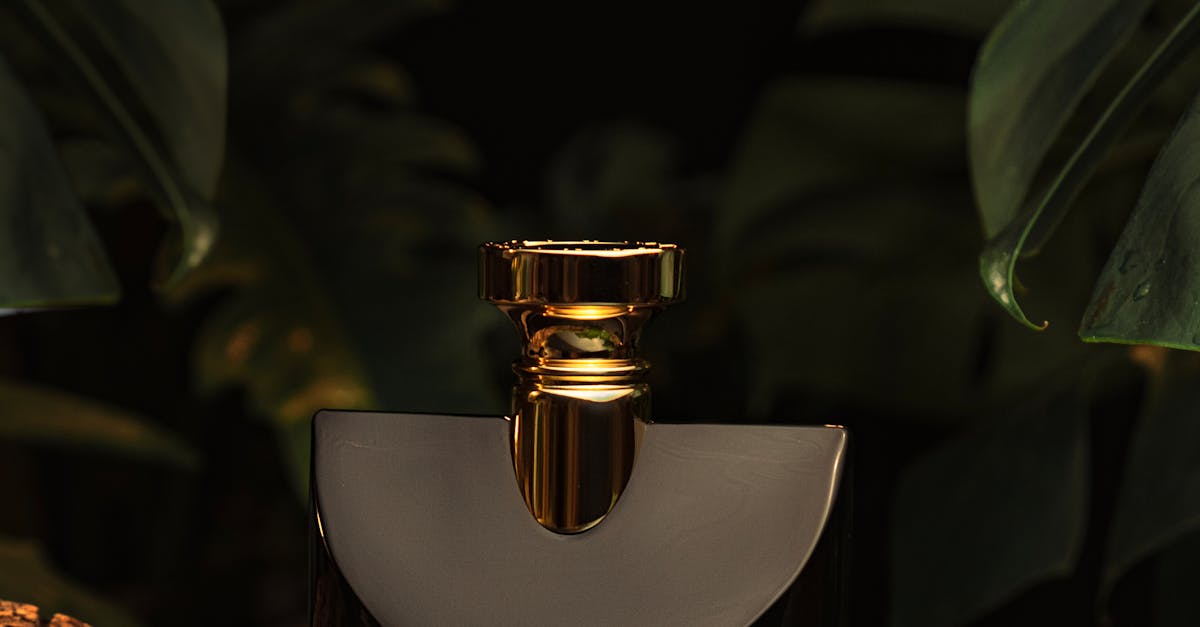
Essential Reflectors for Enhancing Light in Product Photography
Table Of Contents
Advanced Reflector Techniques
Utilising advanced reflector techniques can significantly enhance the quality of light in product photography. Experimenting with the angle and distance of reflectors can lead to more dynamic lighting effects. Adjusting the positioning allows for control over shadows and highlights. Circular or angled reflectors can help direct light precisely where it is needed, ensuring even coverage across your subject. The colour of the reflectors also plays a crucial role; choosing gold or silver surfaces will produce differing warmth and contrast.
To achieve a more comprehensive lighting setup, layering reflectors can be particularly effective. By using multiple reflectors, you can create intricate light patterns that add depth to your images. For instance, placing a neutral reflector on one side and a silver reflector on the opposite can balance the light and reduce harsh shadows. Incorporating diffusion materials in combination with these reflectors can further modulate the light, ensuring it envelops the product beautifully while maintaining a soft touch.
Using Multiple Reflectors for Complex Lighting
In product photography, the strategic placement of multiple reflectors can dramatically enhance the overall look of an image. By utilising reflectors with varying sizes and textures, photographers can manipulate light in various ways, creating depth and dimension. For instance, a large white reflector can soften shadows while a smaller gold reflector can add warmth, helping to highlight the product's features. Experimentation with angles and distances is key, as each adjustment can lead to different lighting effects that suit the specific product being photographed.
Combining multiple reflectors allows for layering of light, which can help to eliminate harsh contrasts and achieve a more balanced exposure. Using a combination of reflectors helps to guide the eye across the product, drawing attention to its unique characteristics. Consider the colour of the background and the product itself when arranging the reflectors, as these elements will influence how light interacts with the surfaces. Well-executed reflector techniques enable photographers to create a polished and professional look that enhances the final image significantly.
Combining Reflectors with Other Lighting Tools
Reflectors can significantly enhance the quality of light in product photography when paired with other lighting tools. Softboxes offer a diffused light source that softens shadows, creating a more even illumination. Placing a reflector at an angle can capture and redirect this softened light, reducing harsh contrasts. The combination allows photographers to sculpt the light to highlight specific features of the product, thereby elevating the overall aesthetic.
Using umbrellas in conjunction with reflectors is another effective technique. Umbrellas can bounce or diffuse light, depending on their orientation. When a reflector is introduced into the mix, it can help to fill in shadows and add sparkle to reflective surfaces. This synergy creates depth and dimension, making products stand out more vibrantly in the frame. Photographers can play with various positions and angles to achieve the desired effect, unlocking a range of creative possibilities in their shots.
Enhancing Effects with Softboxes and Umbrellas
Softboxes and umbrellas are essential tools that can elevate the effectiveness of reflectors in product photography. The soft, diffused light produced by these modifiers can help to soften shadows and create a more even illumination across the subject. When used in conjunction with reflectors, these tools can enhance the overall quality of light in a scene. The combination can add depth and dimension, allowing for a more visually appealing final image.
Positioning softboxes or umbrellas strategically can create a more controlled environment for light manipulation. For instance, placing a softbox above or at an angle to the product can gently fill in shadows, while reflectors can direct light back onto the subject from below or the side. This dynamic interplay allows for an array of lighting effects, making it easier to highlight textures and details that might otherwise be lost in harsh lighting.
Care and Maintenance of Reflectors
Proper care and maintenance ensure reflectors remain effective tools in product photography. Cleaning them after each use is essential to avoid the accumulation of dust and smudges. A microfibre cloth is ideal for this task, as it prevents scratches on the surface. Avoid using harsh chemicals or abrasive materials that could damage the reflector’s finish. Regularly inspect for dents or bends, as even minor imperfections can affect the light distribution.
Storage also plays a crucial role in prolonging the life of reflectors. Keeping them in a padded case or dedicated storage area prevents physical damage during transport or when not in use. It is wise to avoid placing heavy objects on top of them, as this can lead to warping. By adhering to these practices, photographers can ensure that their reflectors continue to perform optimally and enhance their product photography over time.
Tips for Keeping Reflectors in Top Condition
Regular cleaning is crucial for maintaining the effectiveness of reflectors. Use a soft, lint-free cloth to gently wipe away dust and fingerprints. For stubborn smudges, a slightly damp cloth with mild soap can help. Avoid using abrasive materials or harsh chemicals, as these can scratch or damage reflective surfaces. Ensure that any moisture is thoroughly dried to prevent water spots from forming.
Proper storage extends the lifespan of reflectors significantly. When not in use, store them in a protective case or padded bag. Keep reflectors away from direct sunlight to prevent fading and warping. Avoid stacking heavy items on top of them, as this can lead to dents or deformations. Taking these precautions will help keep reflectors in optimal condition for future photography sessions.
FAQS
What are the different types of reflectors used in product photography?
The most common types of reflectors used in product photography include silver, gold, white, and black reflectors. Each type has different reflective properties that can enhance light in unique ways.
How do I choose the right reflector for my product photography?
When choosing a reflector, consider the type of product you're photographing, the desired mood or effect, and the available lighting conditions. Silver reflectors create a more intense light, while gold reflectors add warmth.
Can I use DIY reflectors for product photography?
Yes, DIY reflectors can be effective. You can use materials like white foam board, aluminium foil, or even cardboard covered in reflective tape to create inexpensive reflectors.
How do I maintain my reflectors to ensure they last?
To maintain your reflectors, clean them regularly with a soft, lint-free cloth to remove dust and fingerprints. Avoid using harsh chemicals that could damage the surface.
What lighting tools work best in combination with reflectors?
Reflectors work well with various lighting tools, including softboxes and umbrellas. Combining these tools can help create a more balanced and professional lighting setup for your product photography.
Related Links
Creating Dramatic Effects with High-Contrast Lighting TechniquesThe Best Softbox Lighting Options for Product Photography
Setting Up Three-Point Lighting for Professional Product Shoots
The Benefits of Using Umbrella Lights in Your Photography Setup
Using Continuous Lighting for Dynamic Product Displays
Comparing Halogen and Fluorescent Lights for Commercial Photography
How to Choose the Right LED Lighting for Your Studio
Harnessing Natural Light for Stunning Product Images