Techniques for Incorporating Colour Theory in Product Styling
Table Of Contents
Textures and Colour Integration
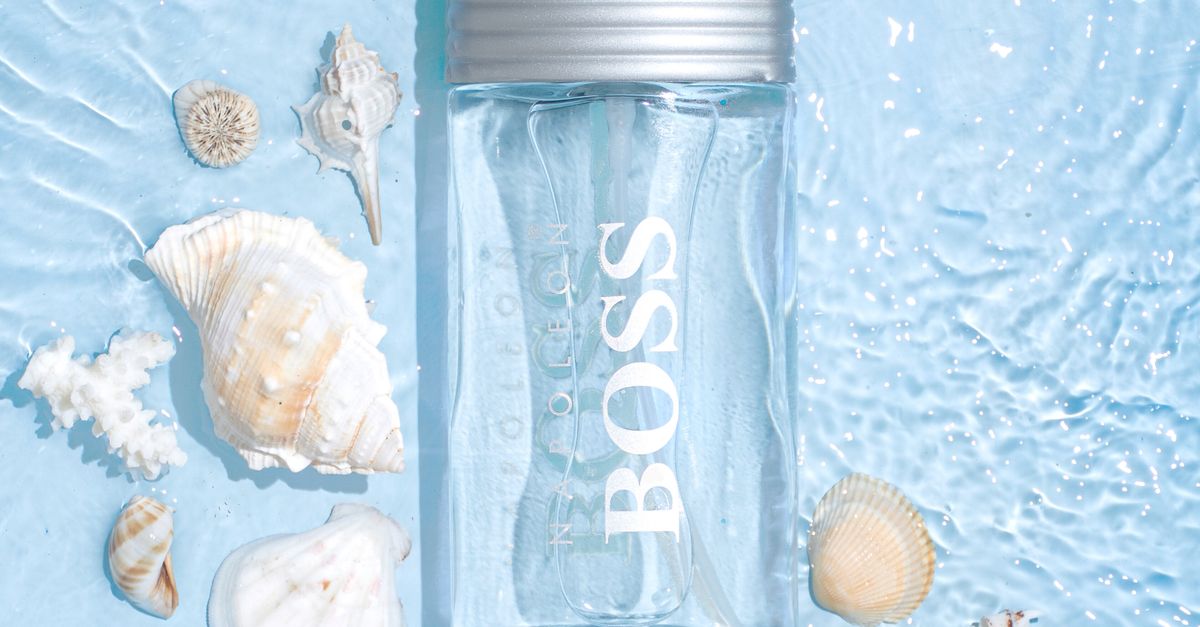
Incorporating various textures into product styling can enhance the visual appeal of colours. Mixing materials such as wood, metal, and textiles creates depth and interest, making the colours used in a display stand out. For instance, pairing a vibrant, glossy finish with a matte surface can create dynamic contrast. This approach not only captivates attention but also draws the eye to the specific colour palette chosen for the products.
Utilising texture effectively allows for the creation of a cohesive aesthetic. Soft fabrics can offset bold, bright colours, lending a sense of balance to the overall presentation. Combining rough and smooth elements can also accentuate colour contrasts, making certain hues more striking. Attention to detail in texture selection ensures that the colour story aligns seamlessly with the tactile experience, significantly impacting consumer perception and engagement.
Combining Different Materials for Visual Impact
The combination of various materials can significantly enhance the visual appeal of a product. Consider using contrasting textures such as smooth ceramics paired with rough timber. This juxtaposition creates a dynamic interaction between the elements, drawing the consumer's eye and highlighting the unique qualities of each material. Employing different finishes, like matte versus glossy, can also create depth and interest in product displays, making them more engaging.
Incorporating materials that reflect or absorb light adds another layer to the styling process. Reflective surfaces like metals and glass can energise the arrangement by creating playfulness with light, whereas softer materials can add warmth and comfort to the overall aesthetic. By thoughtfully selecting and combining these diverse materials, product styling can achieve a balance that is not only visually striking but also strategically enhances brand identity.
Effective Use of Neutrals
Neutral colours serve as a foundation that allows other hues to shine. They create a calm and cohesive environment, essential for drawing attention to featured products. Incorporating shades of beige, grey, and white in styling not only enhances the overall aesthetic but also provides versatility, making the products more approachable. When used thoughtfully, these colours can complement brighter accents, allowing them to stand out without overwhelming.
Achieving balance with neutrals requires a keen eye for texture and placement. A well-structured layout may include soft fabrics and sleek surfaces, reinforcing the understated elegance of neutral tones. Accessories and materials in different finishes can introduce depth without straying from the overall theme. This approach keeps the visual merchandising appealing while ensuring the primary focus remains on the product itself.
Balancing Bold Colours with Subtle Tones
In product styling, the effective combination of bold and subtle tones can create a visually striking yet harmonious presentation. Bold colours often attract immediate attention, drawing the eye to specific elements within a display. However, without the careful inclusion of subtle tones, such displays can appear overwhelming or chaotic. Subtle colours act as a necessary counterbalance, providing a backdrop that allows the vibrant shades to stand out without competing for attention. This balance can enhance the overall appeal of a product, making it more inviting to potential customers.
When integrating these contrasting tones, consider the context of the product and its intended audience. For example, in a fashion setting, a bold accessory can pop against a neutral outfit, while still allowing the overall aesthetic to remain polished and sophisticated. This interplay between the bold and the understated not only defines the style but can also evoke specific emotions, making the product more relatable. The key lies in understanding how these colours communicate with one another, creating an attractive arrangement that emphasises the strengths of both types of tones.
Colour in Visual Merchandising
Visual merchandising relies heavily on colour to create an inviting shopping atmosphere. The right palette can enhance product appeal and guide customer emotions. Warm tones often evoke feelings of comfort, while cooler shades can instil a sense of calm and sophistication. When planning a display, consider how colours interact and the messages they convey to consumers. This strategic use of colour not only captures attention but also encourages engagement with the products.
Additionally, contrasting colours can create a focal point that draws the eye to specific items. Using vibrant hues alongside softer shades can highlight key pieces while maintaining overall harmony within the display. Accessories and props in complementary colours elevate the merchandise, enriching the visual storyline. Ultimately, colour choices in visual merchandising play a crucial role in shaping the customer experience and fostering memorable interactions.
Strategies for Eye-Catching Displays
Displays that capture the eye often rely on a vibrant colour palette that draws attention. Selecting a focal colour can create a strong anchor within the arrangement. This colour should resonate with the brand identity while still appealing to the target audience. Surrounding this focal point with contrasting hues enhances visual interest and creates a dynamic aesthetic. Understanding the emotional impact of colours can further guide choices to ensure they evoke the desired reaction from observers.
Incorporating varying shapes and heights can also add dimension to displays, making them more engaging. Simple techniques like layering textured elements with colour can create depth. Strategically placing complementary and contrasting colours around these textures draws the eye in and encourages a closer look. Additionally, lighting plays a crucial role, as it can either saturate colours or soften them, influencing the overall perception of the display. Placing lights to highlight specific areas can guide attention and create a cohesive visual narrative.
FAQS
What is colour theory and why is it important in product styling?
Colour theory is a set of principles used to understand how colours interact and affect each other. It is important in product styling because it helps create visually appealing arrangements that can influence consumer behaviour and enhance the overall aesthetic of a product.
How can I effectively integrate textures and colours in my product styling?
To effectively integrate textures and colours, consider combining different materials that complement each other. Use contrasting textures to create visual interest while ensuring the colour palette remains cohesive to maintain harmony.
What role do neutrals play in product styling?
Neutrals serve as a backdrop that can balance bold colours, allowing them to stand out without overwhelming the viewer. They can also create a sophisticated look and make products more versatile for different settings.
How can I balance bold colours with subtle tones in my product displays?
To balance bold colours with subtle tones, use bold colours as accents while keeping the majority of the display in softer, neutral shades. This approach allows the bold colours to draw attention without clashing or appearing too garish.
What are some effective strategies for creating eye-catching visual merchandising displays?
Effective strategies include using contrasting colours to create focal points, employing symmetry and asymmetry for dynamic layouts, and incorporating visual hierarchies to guide the viewer's eye. Additionally, incorporating lighting can enhance the colours and textures of the products on display.
Related Links
Balancing Minimalism and Detail in Product StylingThe Art of Layering Props for Depth in Product Photography
Innovative Ways to Use Natural Elements in Styled Shoots
Seasonal Styling Ideas for Product Shoots Throughout the Year
DIY Prop Ideas to Elevate Your Product Photography
Tips for Arranging Props to Enhance Product Focus
The Role of Textures in Styling Products for a Stunning Visual Impact
How to Use Everyday Items as Props in Professional Photography
Creative Approaches to Prop Selection in Product Photography