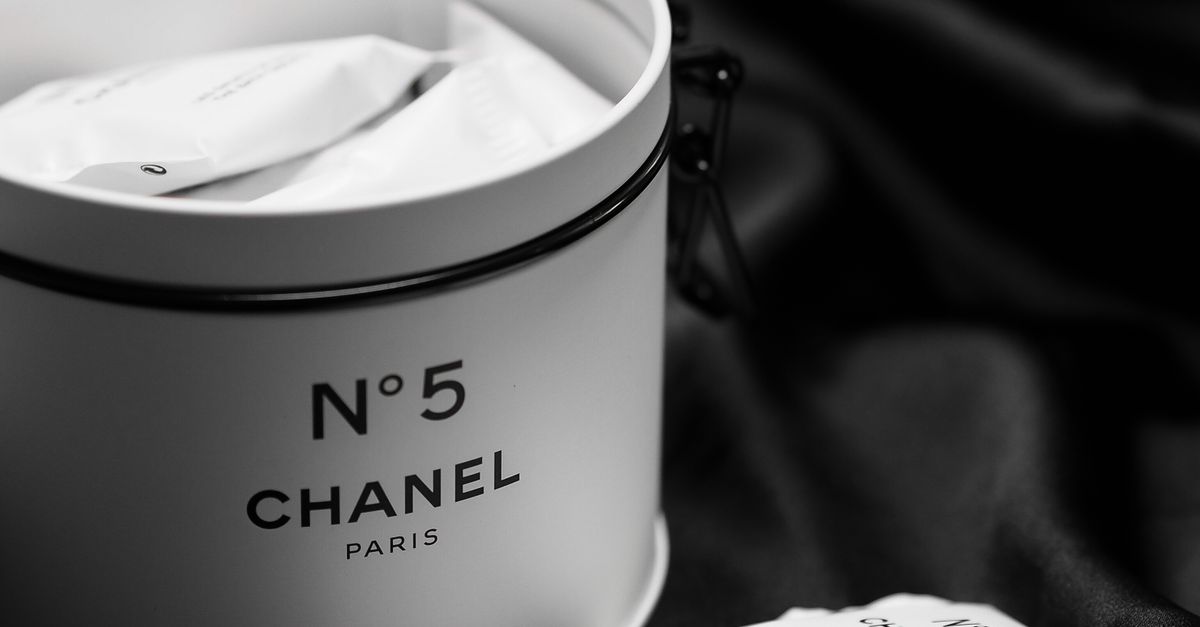
Employing Symmetry and Asymmetry in Product Shots
Table Of Contents
Capturing Asymmetry to Evoke Emotion
Asymmetry in photography can create a dynamic visual experience that draws viewers in. When products are arranged off-centre, it adds an element of intrigue. This intentional imbalance can evoke feelings of spontaneity or movement. It helps to break the monotony often associated with traditional compositions. Using contrasting elements within the frame can intensify the emotional connection, encouraging the audience to engage with the image on a deeper level.
Incorporating asymmetrical elements can also reflect brand personality. A more casual or artistic arrangement may resonate better with audiences seeking authenticity. This approach allows brands to differentiate themselves in a crowded market. Carefully selected props or backgrounds can enhance the asymmetry, contributing further to a narrative that captures attention. The goal is to create a visual story that not only highlights the product but also evokes a specific emotional response from the viewer.
The Influence of Composition on Viewer Perception
The arrangement of elements within a photograph significantly shapes how viewers interpret and engage with the image. A well-composed shot can guide the observer's eye toward the focal point, drawing attention to the product and its unique features. This deliberate placement can evoke specific emotions or responses, enhancing the overall impact of the visual. Understanding the fundamentals of composition enables photographers to create images that resonate deeply with their audience.
On the other hand, poor composition can lead to confusion or distraction. Overcrowding the frame can dilute the message and cause important details to be overlooked. Employing principles such as the rule of thirds or leading lines helps maintain clarity and focus, ensuring the viewer's gaze lands where intended. A thoughtful approach to composition ultimately fosters a stronger connection between the product and the audience, amplifying the effectiveness of the photographic representation.
Common Mistakes in Symmetrical Photography
Many photographers fall into the trap of overusing symmetry, leading to static and uninspiring images. Failing to inject personality into the composition can result in product shots that lack character. While symmetry is inherently appealing, an excessive focus on perfect alignment may result in a lack of emotional connection with the viewer. This ultimately detracts from the image's impact and leaves the product feeling generic.
Another common error involves neglecting the background in pursuit of flawless symmetry. A perfectly symmetrical product shot can lose its effectiveness if the surroundings do not complement the subject. Busy or distracting backgrounds can overpower the symmetrical elements, forcing the viewer's attention away from the product itself. Finding a harmonious balance between symmetry and context is essential for crafting compelling images.
Avoiding Over-Perfectionism in Your Shots
Striving for perfection in product photography can sometimes lead to sterile and uninspiring images. A rigid adherence to symmetry and immaculate composition might deter a more organic and vibrant presentation. Allowing for slight imperfections can foster a sense of authenticity, showcasing the product's true character. Subtle irregularities in arrangement or lighting can convey a story, appealing more deeply to viewers' emotions.
Finding a balance is crucial in photography. While well-composed shots have their place, embracing a more relaxed approach can enhance creativity. It’s beneficial to explore different angles and arrangements, which may reveal unexpected beauty. Such experimentation invites spontaneity, allowing the product to resonate on a more personal level with the audience. This connection can ultimately elevate brand perception and encourage engagement.
Leveraging Asymmetry for Brand Identity
Asymmetrical compositions can serve as a powerful tool in establishing a brand identity that resonates with consumers. This approach allows for a visual narrative that captures attention and communicates a brand’s ethos. By strategically placing elements within the frame, brands can express uniqueness and creativity, differentiating themselves from competitors. Such unconventional layouts foster a sense of intrigue, inviting viewers to explore the details of a product in a way that feels personal and engaging.
Emphasising asymmetry can also align with a brand's core values or target audience. For instance, a brand focused on sustainability may showcase products in natural or irregular arrangements, reflecting an organic aesthetic. Conversely, a tech company might leverage clean lines and unexpected placements of components to signify innovation and modernity. These choices create a cohesive visual language that not only enhances product appeal but also deepens the connection between the consumer and the brand narrative.
Crafting Unique Product Images that Stand Out
Creating distinctive product images requires a thoughtful approach to design and presentation. Experimenting with various angles can reveal new perspectives that enhance the visual story of the product. Consider using props or contrasting backgrounds that relate to the product's narrative, thus enriching the overall composition. The interplay of light and shadow can also add depth and intrigue, drawing attention to unique features.
Incorporating elements of surprise can make a product shot particularly memorable. Unexpected colours, textured materials or candid placements can invite curiosity. Moreover, showcasing the product in use rather than in a static pose creates a dynamic feeling that resonates with viewers. Engaging storytelling through imagery can make the product more relatable, ultimately fostering a deeper connection with potential customers.
FAQS
What is the importance of symmetry and asymmetry in product photography?
Symmetry can create a sense of balance and order, making products appear more appealing, while asymmetry can evoke emotion and interest, helping products to stand out and connect with viewers on a deeper level.
How can I effectively use asymmetry in my product shots?
To effectively use asymmetry, consider placing the product off-centre, using varied backgrounds, or incorporating elements that draw the eye across the image. This creates a more dynamic and engaging composition.
What are some common mistakes to avoid in symmetrical photography?
Common mistakes include being overly rigid in composition, failing to consider the interaction between elements, and not accounting for the feelings that symmetry can evoke. Ensuring that your images also have a sense of spontaneity can enhance viewer engagement.
How does composition influence viewer perception in product photography?
Composition significantly impacts how viewers perceive a product; it can guide the viewer's eye, create focal points, and convey brand identity. An intentional composition can evoke specific emotions and influence purchasing decisions.
Can asymmetry help establish brand identity?
Yes, leveraging asymmetry can help differentiate your brand by creating unique product images that reflect your brand's personality. This distinct visual style can help establish an emotional connection and make your products more memorable.
Related Links
Using Negative Space to Enhance Product FocusLayering Textures and Shapes for Compelling Images
Exploring Depth of Field for Dramatic Visual Effects
The Art of Storytelling Through Composition Techniques
Incorporating Leading Lines to Guide the Viewer’s Eye
Mastering the Rule of Thirds in Product Photography
Creating Visual Flow Through Strategic Composition